

Africa leads the world in female STEM graduates. With a 47% graduation rate, you would expect this to translate into a dominant female presence in the digital economy. The reality is a stark disconnect.
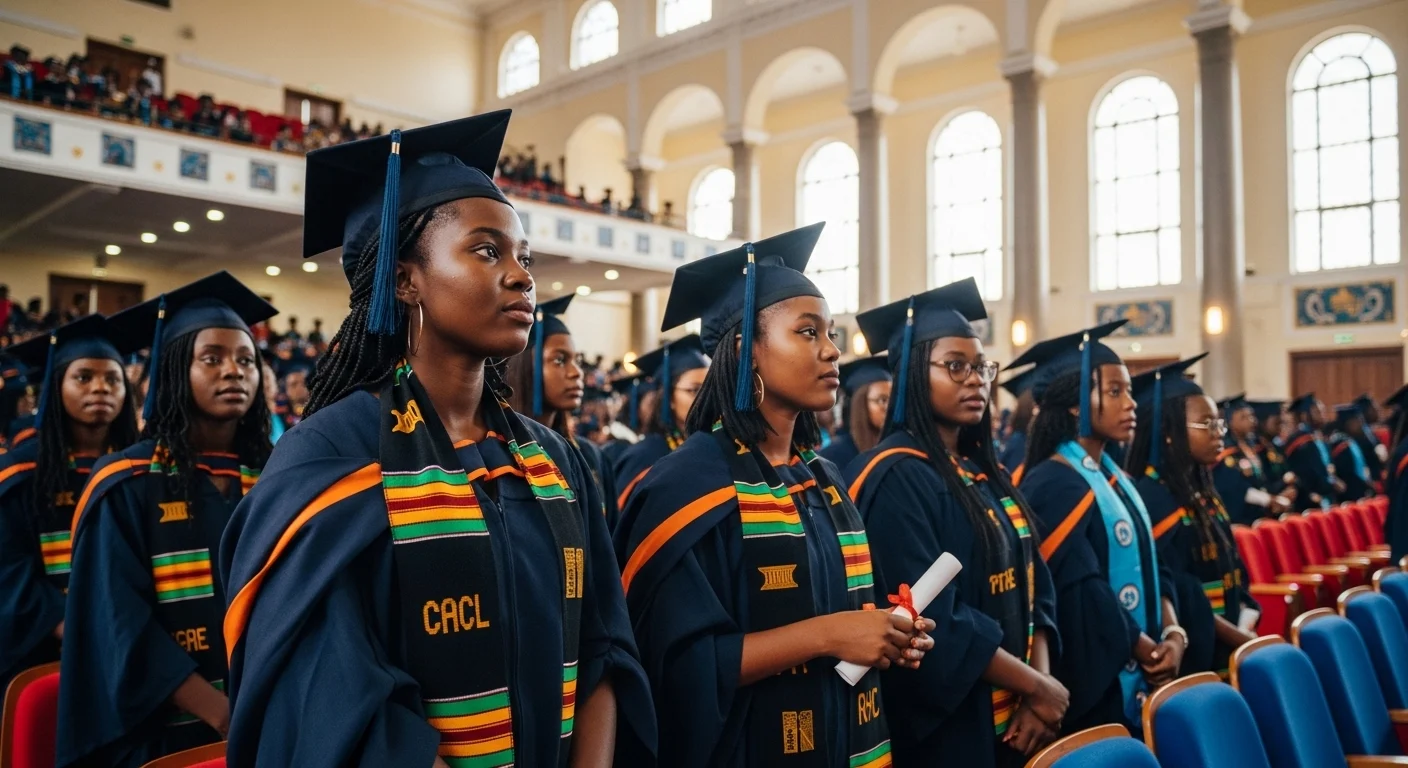
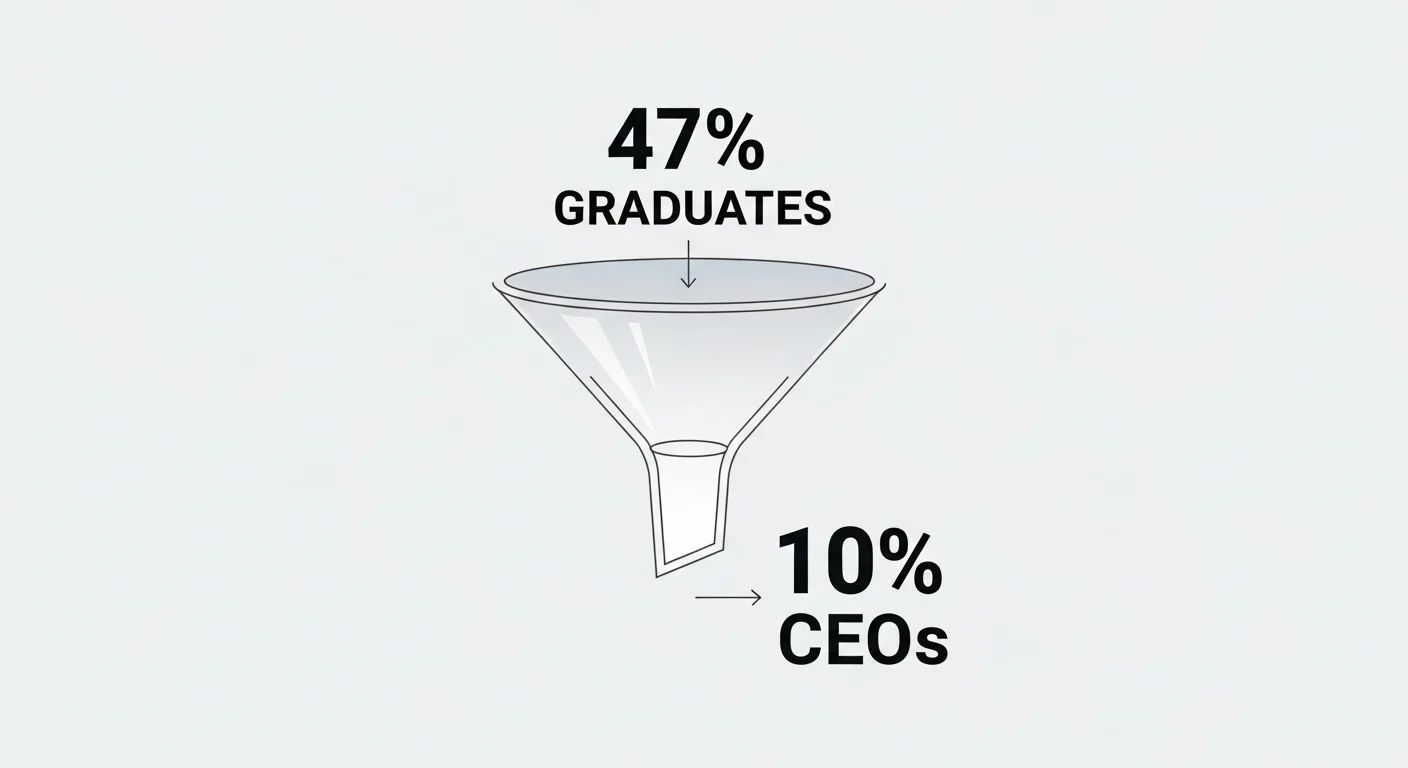
Despite these graduation rates, women remain a marginalised minority in the global AI workforce. The numbers tell a story of systemic leakage: 23–30% of tech roles held by women in Africa. <20% Women in top-tier tech leadership positions. 10% Female representation among startup CEOs.
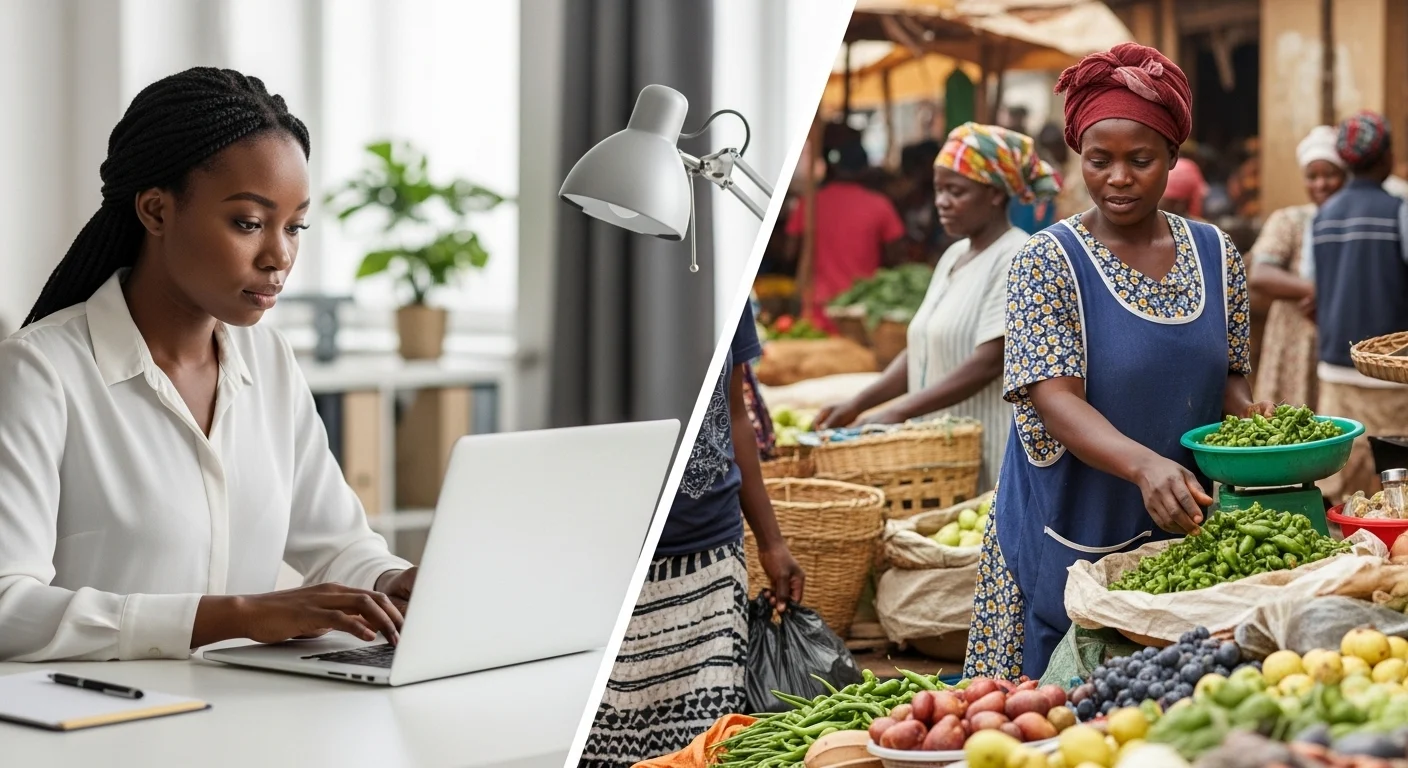
This isn’t a pipeline problem; it’s a structural conversion problem. The barriers standing between a degree and a career in AI aren't academic—they are systemic. The crisis is deepened by a massive infrastructure gap. Over 50% of women in Africa lack internet access, and one-third do not own a digital device. This doesn't just limit participation; it erases women from the creation of the systems that will govern their lives.
If Africa is to capture the projected $1 Trillion GDP increase by 2030, this gap must be closed now. "Inclusive AI" that excludes women from building, governing, and owning the systems isn't inclusive—it’s just a rebranding of the same old exclusion. Africa must shift from importing AI tools built on non-African data to building context-specific models. We aren't just looking for "representation." We are advocating for gender equity as a design constraint—from the first line of code to the final board decision.
Click here to download the report


